Why Nobody Reads Your Church Emails (And How to Fix It)

Key Takeaways
- Most church emails go unread because your recipients never got them to begin with.
- Shorter, clearer, and more targeted emails get opened more often.
- Fixing a few simple strategy mistakes can dramatically improve engagement.
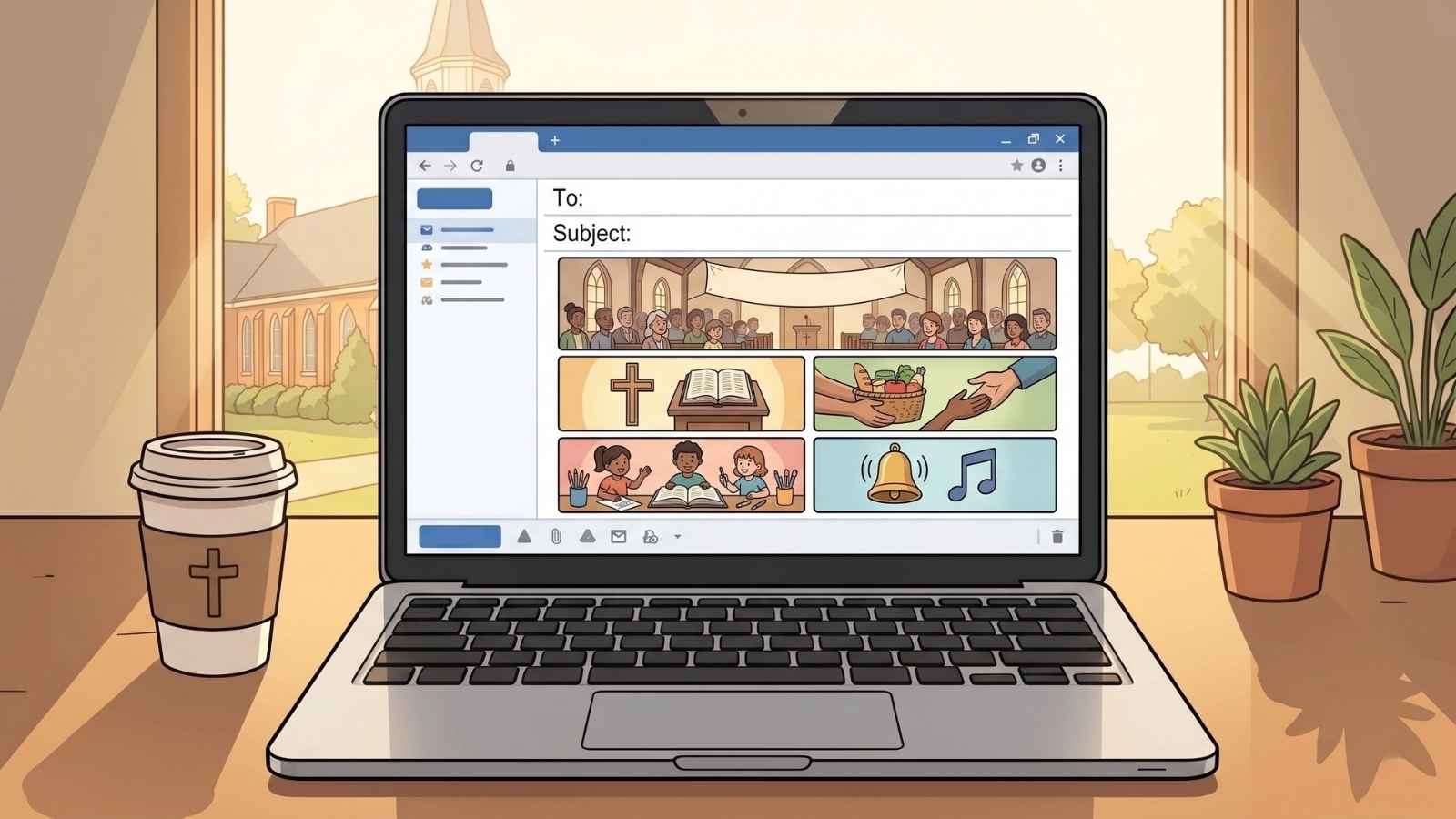
Are you tired of sending emails to your church and having nobody read them?
You are not alone. This is a common problem plaguing church leaders everywhere. They spend the time and energy to send a church email newsletter, only to have the majority of their congregation say those 5 terrible words: "I didn't know about that".
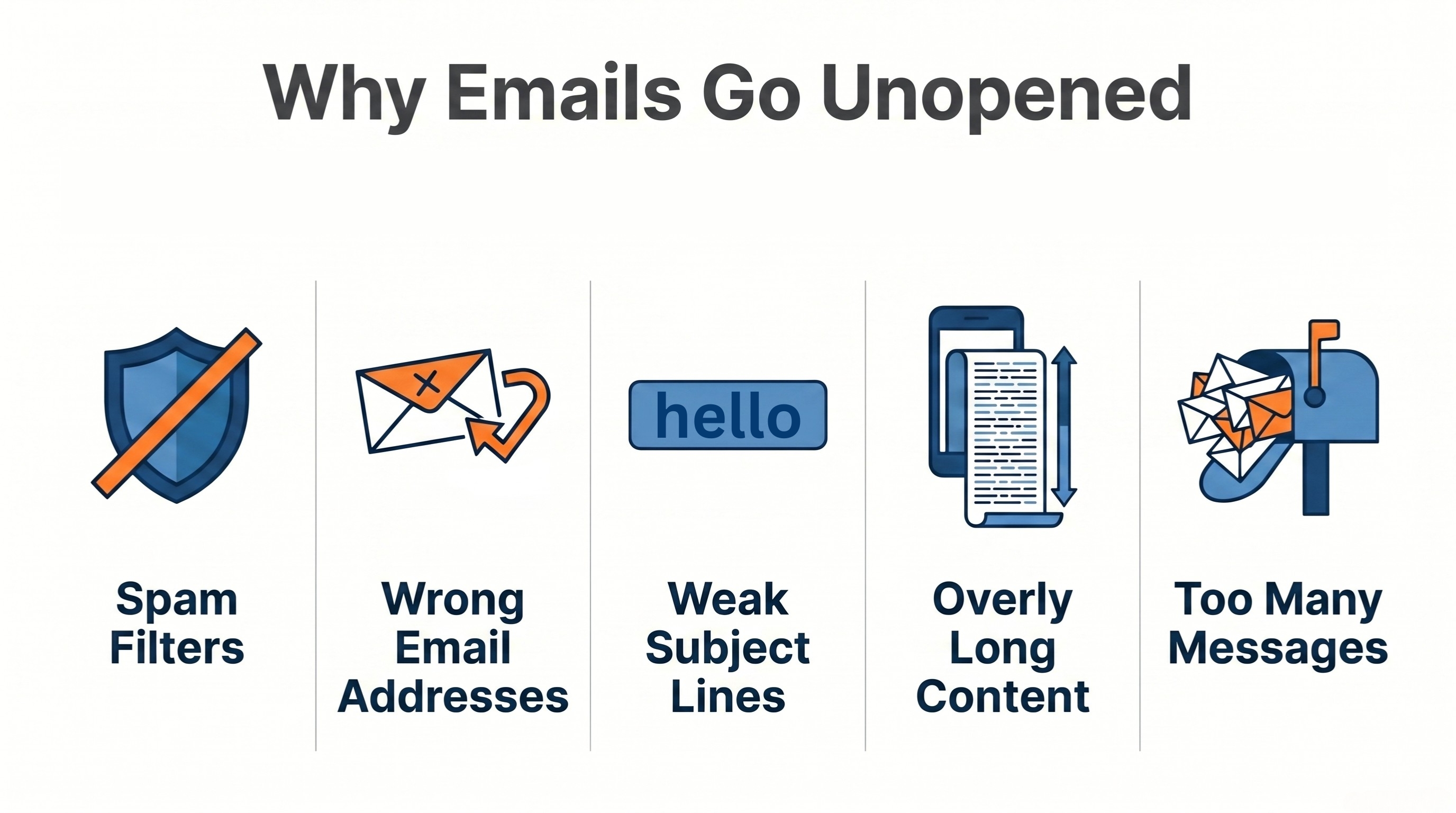
Though it's impossible to know every cause for an email going unread, these are the top 5 reasons why nobody is reading your church's emails.
Reason 1: They Never Got Your Email
Church email deliverability failures are most commonly caused by three problems: an incorrect email address, a spam filter, or an accidental unsubscribe. Before assuming a member is ignoring your newsletter, check these three delivery issues first:
Wrong Email Address
Double-check the email address you're adding to your church's mailing list. Confirm with the recipient that it's the right address and spelled correctly. If the member has multiple addresses, ask them to give you the one they check the most frequently.
Spam Filter
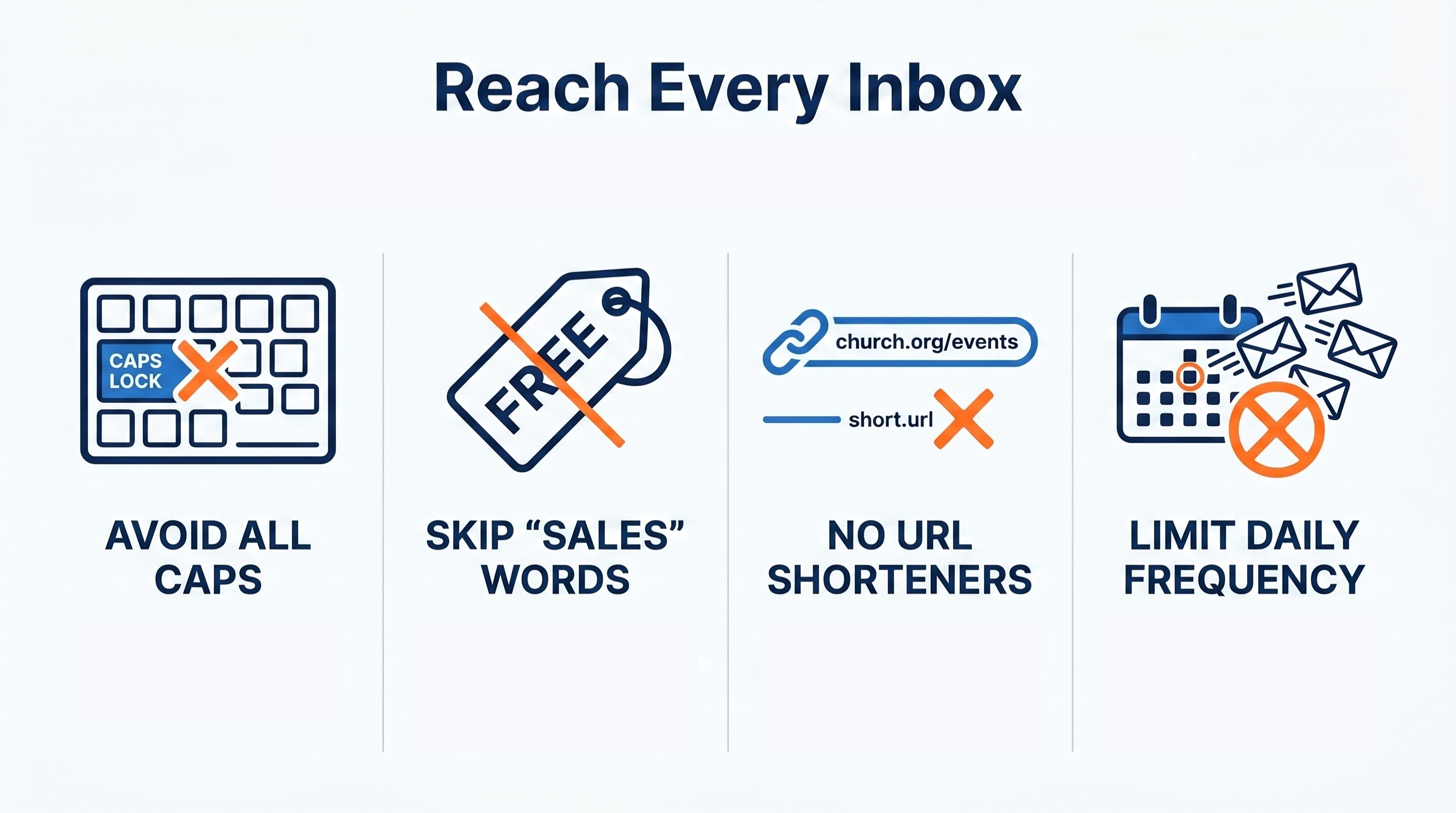
Church emails ending up in a member's spam folder is not uncommon. There are a few things that can make an email trigger the spam filter:
- USING ALL CAPS IN THE SUBJECT LINE OR BODY OF THE EMAIL
- Overusing terms like "free" or anything else that might make an email seem like a sale or promotion
- Using a URL shortener. Spammers have been using URL shorteners lately, so most email providers automatically assume an email with a shortened URL is from a spammer
- Sending too many emails a day (I'll talk more about this below)
They Unsubscribed
There's a good chance that a member in your church email list simply unsubscribed from your emails. They might have done so by mistake, but it's worth asking why they unsubscribed and what they feel makes an email worth reading. Getting input from your members can help you know how to craft your messages to best fit their needs.
Reason 2: Boring or Confusing Titles
A weak email subject line is the fastest way to kill your church email open rates. If your subject line is vague, generic, or confusing, most recipients won't open it—no matter how important the content inside is.
A strong church email subject line should be:
- Clear: the reader knows exactly what the email is about
- Specific: mention the event, change, or update directly
- Relevant: speak to something that matters to that reader
- Brief: aim for under 50 characters so it displays fully on mobile
Weak: "This Sunday's Update" Strong: "Service Time Changed — This Sunday at 10 AM"
I found some inspiration for some church newsletter examples HERE.
Reason 3: Your Emails Are Too Long
Emails don't need to be lengthy. Keep them concise, to the point. Try to convey the information in bite-sized chunks.
There are a few benefits to doing this:
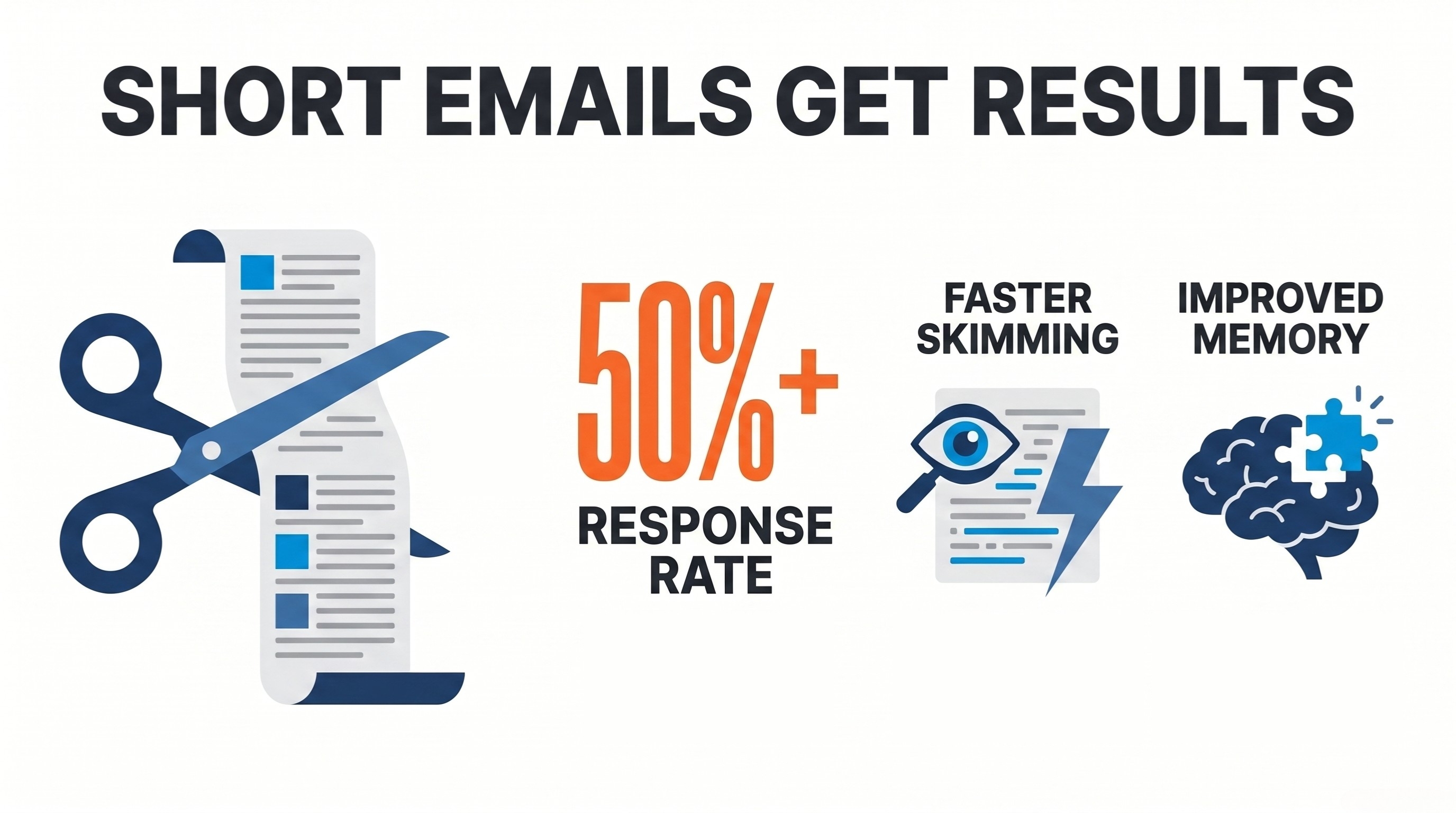
- Shorter emails are more likely to be read. Long emails are quickly overwhelming and are skipped
- Short bits of info are easier to remember
- Shorter emails are easier for readers to skim for exactly what they're looking for
Data suggests that shorter emails can have a response rate above 50%. In many cases, this can be done by just removing some of your excess language in the email body.
Reason 4: You Send Too Many Emails per Month
Sending too many emails overwhelms your members and triggers spam filters. A healthy church communication strategy spreads updates updates across multiple channels so no single one becomes noise.
- Keep emails to once or twice per week at most
- Use text messaging for urgent, time-sensitive updates
- Use your church app for announcements and reminders
- Use social media for community engagement and outreach
Learn more about this in our other post: How Often Should Churches Text and Email Their Members?
Reason 5: You’re Not Targeting Your Church Email List
It's one thing to send a weekly or monthly newsletter, but sending bulk emails to everyone on your church email list is not always necessary.
Make sure to evaluate if an email is applicable to the person who's receiving it. For instance, your seniors don't need to be updated on the upcoming events in the college ministry. Each demographic of your congregation has its own priorities and interests. Your goal should be to speak to those interests and little else.
A targeted email is simply an email with content that suits the audience. Chances are, if the recipient is involved in a few programs or ministries at your church, they don't want their inbox filled with information about other programs.

Take Back Your Church Email
For church leaders, email messages are one of the most effective methods of reaching their church community at scale, both in speed and economically.
Have some patience as you do it. Getting your church people to actually read your emails again may take more than just 3 days.
Church Emails FAQs
Most church emails go unread because of spam filters, incorrect email addresses, weak subject lines, overly long content, or sending too many messages.
Use clear and compelling subject lines, keep emails short and skimmable, send emails consistently (but not excessively), and segment your email list so messages are relevant.
Most churches benefit from sending one well-organized weekly email, with occasional targeted emails for specific groups or events.
Common spam triggers include using all caps, excessive promotional language, shortened URLs, and sending too many emails in a short period of time.
Not always. Targeted emails sent to specific ministries or demographics tend to perform better than bulk emails sent to the entire congregation.
Yes. Short, focused emails are easier to read and skim, making them more likely to be opened and remembered.